Echinacea has become a household name when it comes to ‘immune boosters’. You’ll find it in teas, tinctures, and supplements everywhere. But in professional herbal medicine, this powerful plant is far more complex than its reputation suggests.
At the International College of Naturopathic Science, students of the Bachelor of Herbal Medicine are taught that the efficacy of echinacea varies depending on what species you employ, how you prepare it, and when you take it. It’s a great illustration of how herbal medicine takes ancient wisdom and combines it with contemporary science to produce safe, effective therapy.
Beyond the Buzz: The Real Science of Echinacea
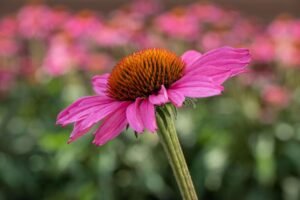
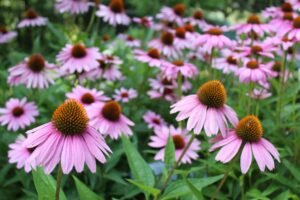
People don’t know that there are a few forms of echinacea — such as Echinacea purple coneflower — each having distinct compounds with differing mechanisms of action in the immune system.
Contemporary evidence reveals that echinacea doesn’t just ‘boost’ immunity. Rather, it assists the body in responding more effectively to infections by gently modulating immune function. Timing and preparation are key to its success — and this is precisely what International College of Naturopathic Science students learn.
Through their education, students learn to understand clinical research, assess herbal preparations, and utilise evidence-based practices so that echinacea is used successfully and safely — not simply intuitively.
From Research to Real-Life Practice
In professional herbal medicine, having knowledge is worthless without context. Students at International College of Naturopathic Science delve into real-life case studies to know when and how to prescribe therapeutic herbs such as echinacea.
For instance, tinctures can be more useful for temporary immune function, while other formulations might be more suited to long-term equilibrium. It is these differences that distinguish a dedicated herbal enthusiast from a qualified practitioner.
As one of International College of Naturopathic Science’s teachers frequently explains:
‘Knowing the evidence behind the herbs puts you in a position to use them safely — not because they’re popular, but because they actually work.’
Merging Ancient Knowledge with Contemporary Understanding
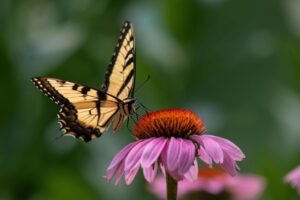
Echinacea’s history started long before it appeared on health food store shelves. It was used by Native American medicine men to heal wounds and infections — knowledge that still directs herbalists today.
International College of Naturopathic Science’s Bachelor of Herbal Medicine programme respects these traditions and combines contemporary science with clinical applications. Students not only learn the ‘what’ and ‘how’ of each formula, but also the why, preparing them for effective herbal practice in the real world.
Discover the Professional Path to Herbal Mastery
If you’re curious about how plants like echinacea truly work — and want to help others through natural, evidence-based care — the Bachelor of Herbal Medicine at International College of Naturopathic Science is the perfect place to start.
Through flexible online study, a supportive learning environment, and a professionally accredited qualification, you’ll gain the tools to make a real difference in the field of natural health.
Start your herbal medicine journey today and discover the science and spirit behind nature’s most potent plants.