We all have to remember that maintaining a healthy body is a key element to avoiding liver inflammation. As such, it is important to adopt a lifestyle that includes regular exercise and staying within your ideal weight. It also will significantly help if you avoid smoking and excessive alcohol consumption.
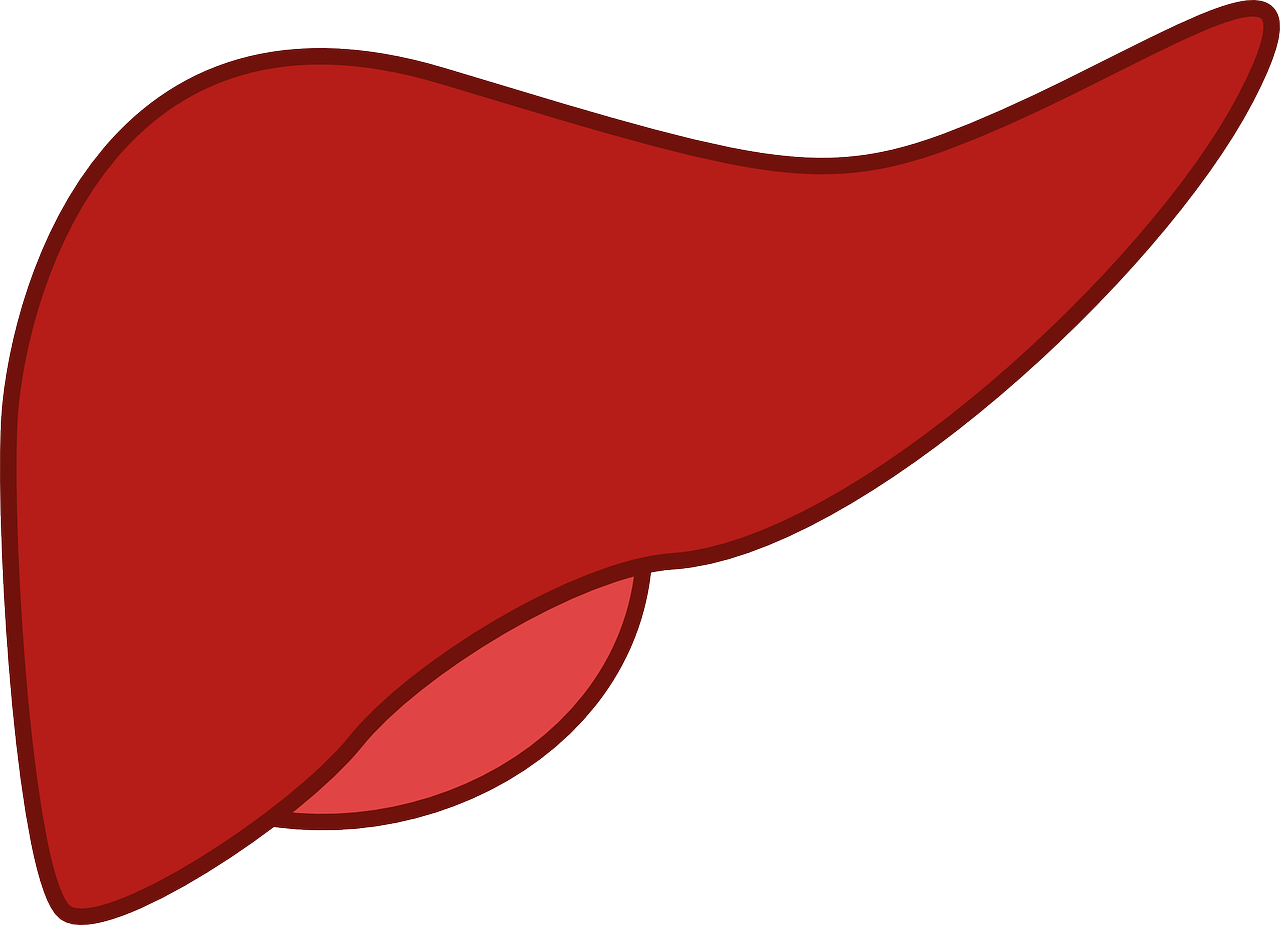
A balanced diet that includes a variety of fruits, vegetables, whole grains, lean proteins, and healthy fats is crucial for supporting liver health. In this article, we will take a deep dive into important points about liver inflammation that we all should take note of. Here, we will tackle its effects and what to avoid to promote an overall healthy liver.
Effects of Liver Inflammation
Liver inflammation, also known as hepatitis, can have various effects on the body. The severity and specific symptoms can vary depending on the underlying cause. We can also factor in the extent of liver damage. Here are some common effects of liver inflammation:
Fatigue
One of the most common symptoms of liver inflammation is fatigue or a general feeling of tiredness. This can be caused by the liver’s impaired ability to store and release glucose which leads to low energy levels.
Jaundice
Jaundice is a yellowing of the skin and eyes due to a buildup of bilirubin. It is a yellow pigment produced when red blood cells break down. Liver inflammation can cause it to accumulate in the body. This then produces an alarming yellowish discoloration of the skin.
Abdominal pain and swelling
Inflammation of the liver can cause discomfort or pain in the upper right abdomen. The liver may also become enlarged which results in abdominal swelling or a feeling of fullness.
Digestive issues
Liver inflammation can affect the digestive system. Because of this, common symptoms such as nausea, vomiting, loss of appetite, and changes in bowel movements take place.
Dark urine and pale stools
Inflammation of the liver can cause changes in urine and stool colour. Urine may become darker than usual. On the other hand, stools may appear pale or clay-coloured.
Itchy skin
The buildup of bile products in the body due to liver inflammation can cause itching or pruritus. This symptom can be particularly bothersome but manageable through appropriate treatment.
Easy bruising and bleeding
The liver plays a crucial role in blood clotting and inflammation can disrupt this process. As a result, individuals suffering from this condition may experience easy bruising and bleeding.
Cognitive changes
In advanced cases of liver disease, cognitive changes and confusion, known as hepatic encephalopathy may occur. This is caused by the liver’s impaired ability to remove toxins from the blood.
Fluid retention
This condition can lead to the accumulation of fluid in the abdominal cavity. Such is medically referred to as ascites. This can cause swelling and discomfort in the abdomen.
Crucial guidelines to avoid liver inflammation
To support liver health and reduce the risk of inflammation, it’s important to follow a balanced and nutritious diet. Here are some guidelines and foods that can help:
Choose a Mediterranean-style diet
The Mediterranean diet is known for its beneficial effects on overall health. It emphasises fruits, vegetables, whole grains, legumes, and lean proteins (such as fish and poultry). Consumption of healthy fats (like olive oil) and dairy products (moderately) are encouraged.
Increase antioxidant-rich foods
Antioxidants help protect the liver from damage caused by inflammation. Include foods such as berries, grapes, citrus fruits, and leafy green vegetables. It is also highly ideal to consume cruciferous vegetables (like broccoli and Brussels sprouts), garlic, turmeric, and green tea.
Consume omega-3 fatty acids
Omega-3 fatty acids have anti-inflammatory properties. Good sources include fatty fish (such as salmon, mackerel, and sardines), walnuts, chia seeds, flaxseeds, and hemp seeds.
Limit saturated and trans fats
High intake of saturated and trans fats can contribute to liver inflammation and fatty liver disease. Reduce consumption of fried foods, processed snacks, fatty meats, and full-fat dairy products.
Minimise added sugars
Excessive sugar intake can lead to fatty liver and inflammation. Avoid sugary beverages, sweets, and processed foods with added sugars. Instead, opt for natural sweeteners like honey or consume fresh fruits for sweetness.
Choose lean proteins
Include lean protein sources such as skinless poultry, fish, legumes, tofu, and low-fat dairy products. Avoid processed meats and red meats, as they can contribute to inflammation when consumed in excess.
Stay hydrated
Drink plenty of water throughout the day to support liver function and detoxification.
Moderate alcohol consumption or avoid it
Excessive alcohol consumption can lead to liver inflammation. If you drink alcohol, do so in moderation or consider avoiding it altogether.
Be cautious with medications and supplements
Some medications and supplements can have adverse effects on the liver. Consult with a healthcare professional or pharmacist to understand any potential risks and make informed choices.
In summary
Remember that these symptoms can vary depending on the individual and the underlying cause of liver inflammation. If you experience any concerning symptoms, it is crucial to consult a healthcare professional for a proper diagnosis. This is also the most effective way and the most appropriate treatment for any specific case.