Our Clinical Approach

Every ICNS graduate qualifies as an Integrative Health Practitioner (IHP) — the overarching professional identity that applies across all four of our disciplines. Whether you graduate as a naturopath, herbalist, nutritional medicine practitioner, or mind-body medicine practitioner, you are an IHP, and every consultation you conduct is structured around the SAFE Consultation Method — a disciplined clinical framework, not a checklist. It is taught from the first module and applied from a student’s very first client encounter through to graduation.

Real credibility isn’t just a certificate — it’s how you think, how you consult, and how your clients experience you in practice.

The healthcare system has a time problem. We train practitioners to solve it.

The Clinical Context

 
In most primary care settings, a GP has 15 minutes or fewer to listen, assess, and advise. This is not a criticism — it is a structural reality of a system managing enormous demand with limited resources.
The result is a significant gap: clients with complex, multi-layered health concerns who need more time, more listening, and a more systematic exploration of their situation. Integrative Health Practitioners are uniquely positioned to fill that gap — but only when trained with the same rigour and structure that medicine demands.
The natural health sector has not always met that standard. Too often, training produces practitioners who lack clinical confidence, operate without a defined scope, and are poorly equipped to work alongside conventional medicine. ICNS was built to address that.

A comprehensive ICNS consultation is, on average, significantly longer than most clients spend with their doctor. That time is not incidental — it is the practitioner’s most powerful clinical tool. We train students to use it with precision and purpose.

S
Safe
A
Analysis
F
Focus
E
Evaluate
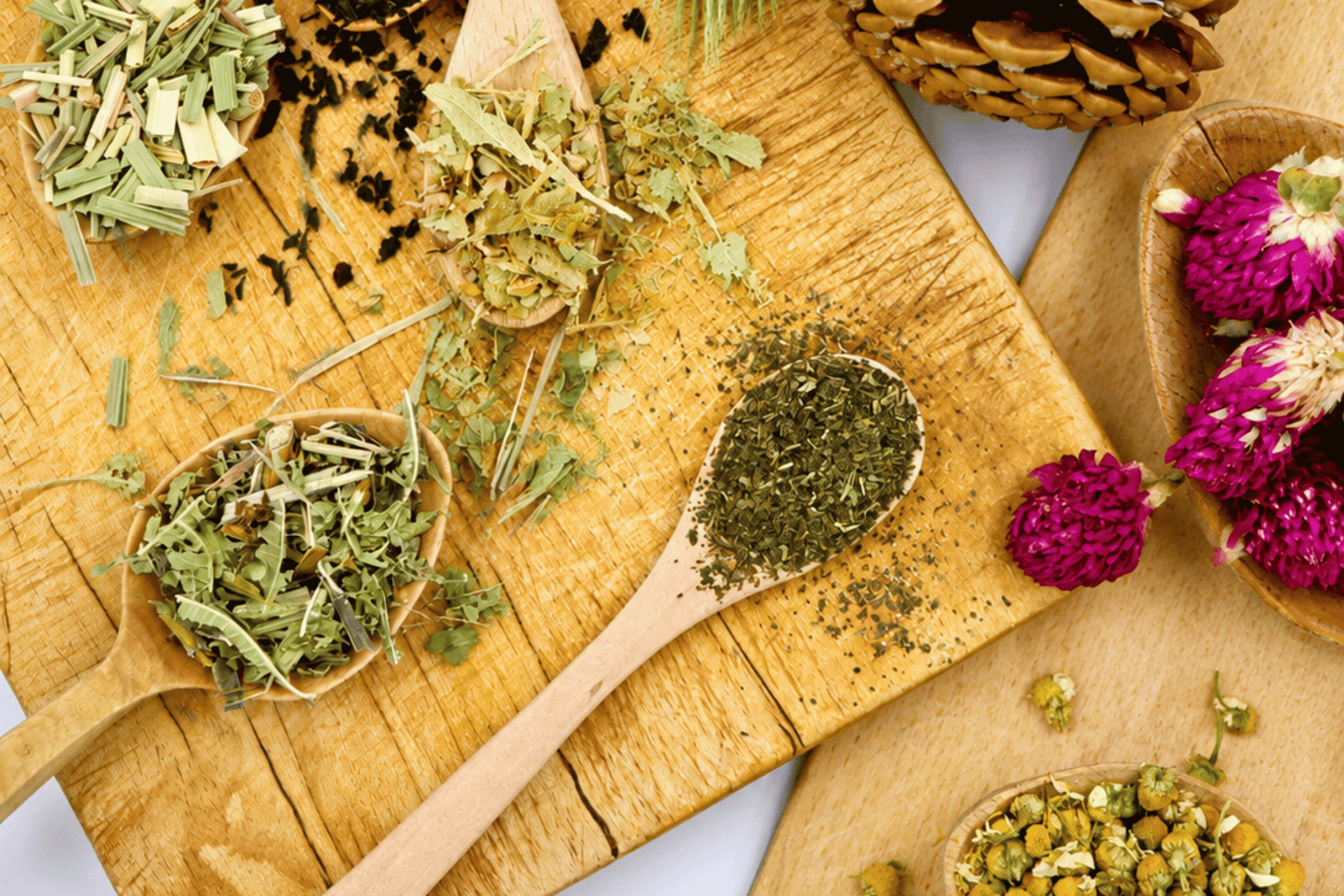
Flat lay of various fresh medicinal herbs and flowers arranged above corresponding small dishes filled with herbal supplement capsules and tablets on a light wooden background.

The SAFE Consultation Method

The Framework

 
SAFE stands for Safe, Analysis, Focus, Evaluate — four essential clinical tasks that structure every consultation an ICNS-trained practitioner conducts. It is not a mnemonic invented for marketing. It is the working clinical sequence taught throughout the curriculum and assessed throughout clinical training.
S

Safe — Establish Safety

The first and non-negotiable clinical task: determine whether the client is safe to proceed. This means systematically identifying red flags — presentations that require immediate referral to conventional medicine rather than natural health intervention.
Our practitioners do not guess and they do not proceed on hope. They assess. This is where the medical alignment philosophy begins — not in theory, but in the first minutes of every consultation.

Knowing when not to treat is a clinical skill. We teach it explicitly.

A

Analysis — Listen and Analyse Systematically

Genuine listening is not passive. It is an active, structured clinical process — following the same architectural sequence as the curriculum itself. Our practitioners listen through a map: body system by body system, building a complete picture before drawing any conclusions.
This is not a wellness chat. It is a methodical gathering of clinical information, conducted in a way that makes the client feel heard — because they are being heard, in full, within a defined framework.

We teach systematic listening and health analysis as a clinical skill — not an assumed quality.

F

Focus — Targeted Clinical Recommendations

The consultation moves from analysis to action: targeted, personalised lifestyle advice and treatment recommendations, directed precisely at the reasons the client has presented — not offered generically.
Our practitioners commit to a clear, defined clinical recommendation and document it accordingly. This is the standard that earns the trust of GPs and other healthcare professionals, and of clients who have been disappointed by vague or overwhelming health advice before.

Focus is what separates a treatment plan from a list of suggestions.

E

Evaluate — Baseline and Progress

Evaluate applies across the full consultation cycle. At an initial consultation, the practitioner establishes the client’s personal health baseline — measurable markers that will be used to track progress over time.
At every follow-up, the practitioner evaluates progress against that baseline, adjusts the treatment plan where necessary, and documents the client’s health trajectory. Outcomes are tracked, not assumed.

A practitioner who evaluates is a practitioner who is accountable.
Designed for depth, not by chance.

The Virtual Clinical Advantage

 
A traditional student clinic is limited by whichever clients it can attract at discounted rates — usually straightforward, low-complexity presentations. ICNS’s virtual clinical environment removes that constraint entirely.
In-Depth, Advanced Consultations
Every student is guaranteed exposure to complex, multi-system presentations and genuine clinical challenge — not left to chance based on who happens to book in that week.
Competency, Not Hours
Students progress through the Clinical Training Pathway by demonstrating capability against defined milestones, confirmed by supervisor sign-off — not by accumulating a fixed number of clinic hours.
Real Human Behaviour, By Design
Case design deliberately includes the complexity of real clinical practice — non-compliance, partial disclosure, treatment negotiation — so every graduate has managed it before they qualify.

We train practitioners who are safe, systematic, and trusted by the wider healthcare system.

The Philosophy Behind the Framework
 
ICNS is not an alternative to conventional medicine. We are a complement to it — and we train Integrative Health Practitioners who understand that distinction completely.
In a genuine emergency, you want a hospital — not a naturopath, herbalist, nutritional medicine practitioner, or mind-body medicine practitioner. This is not a slogan — it is a worldview that runs through every unit of curriculum from module one.
A practitioner who knows when to refer is trustworthy — to clients, to GPs, and to the broader healthcare system. That trust is what makes integrative practice legitimate.
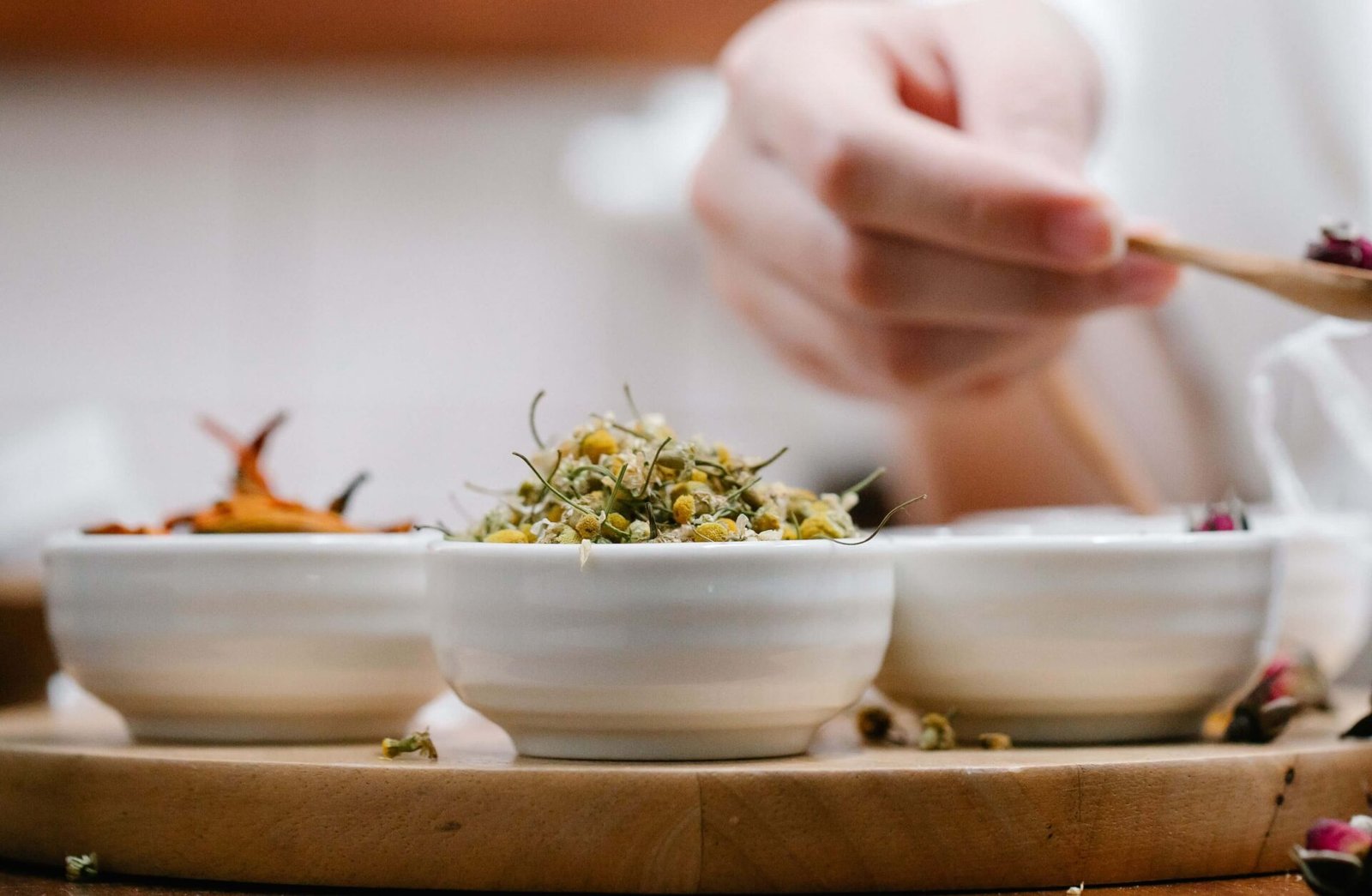
Close-up of small white bowls filled with dried chamomile and botanicals on a wooden board, with a hand holding a wooden spoon in the background

Primum Non Nocere

First, do no harm
The foundational principle of medicine — and the foundational principle of ICNS. It is not a slogan. It is the organising commitment that runs through our clinical framework, our curriculum design, and the professional identity we build in every student.
An Integrative Health Practitioner who operates by this principle does not try to do everything. They do what they are trained for, with precision and accountability, and they refer everything else. That discipline is what makes them trusted.
icns full logo

Not Sure Which Programme is Right for You?

Download the Course Handbook, or talk it through with our
Admissions Team.

Frequently Asked Questions

What is an integrative health practitioner?

An integrative health practitioner is a trained professional who blends natural, evidence-informed therapies — such as nutrition, herbal medicine, and lifestyle medicine — with an understanding of when a concern needs referral to conventional medical care. The goal is whole-person care: addressing root causes and overall wellbeing, not just isolated symptoms.

They assess a client’s full health picture — diet, lifestyle, stress, sleep, and existing conditions — then build a personalised care plan drawing from natural therapies. A core part of the role is also recognising red flags that fall outside their scope and referring clients to a GP or specialist when needed.

A traditional doctor typically diagnoses and treats disease using conventional medicine — pharmaceuticals, surgery, standard clinical protocols. An integrative practitioner focuses more on prevention, lifestyle factors, and natural therapies, often working alongside conventional care rather than replacing it, and referring out when a condition requires medical treatment.

Common areas include digestive complaints, hormonal imbalances, stress and fatigue, sleep issues, skin conditions, and general lifestyle-related health concerns. Integrative practitioners are trained to recognise when a presenting issue needs medical referral rather than natural management alone.

Typical services include initial health consultations, personalised nutrition and lifestyle plans, herbal medicine, and ongoing case management. Some clinics also offer therapies like acupuncture or clinical hypnotherapy depending on the practitioner’s specific training.

At an individual level, this usually includes a detailed intake consultation, personalised treatment planning, nutritional and herbal recommendations, and follow-up care to track progress and adjust the plan over time.

Approaches typically draw from nutritional medicine, western and/or traditional herbal medicine, lifestyle and stress-management strategies, and — depending on training — modalities like acupuncture or clinical hypnotherapy. The specific mix depends on the practitioner’s qualifications.

Coverage varies significantly by country, insurer, and the practitioner’s specific modality and registration status. Clients should check directly with their health insurance provider about coverage for the specific therapy (e.g. naturopathy, herbal medicine, acupuncture) and confirm the practitioner’s registration meets the insurer’s requirements.

Look for a practitioner registered with a recognised professional body relevant to their modality (for example, ANTA or IICT for naturopathic and complementary practitioners), and check their specific qualifications and areas of practice before booking.
icns full logo

Discover our courses, entry requirements, study options, and everything you need to know about studying with the International College of Naturopathic Science.

Enter your details below to receive your Course Handbook.